Source before claim
A source record must support each public relationship or technical statement.

Compare four project starting points, define a controlled customization scope and move toward validation without assuming feasibility, timing or production terms.
Prepare a sample briefOILAX presents hardware and B2B hardware-development information only. It does not offer oils, nicotine, THC, formulations or filled devices. Suitability, compatibility and market requirements remain subject to project-specific confirmation.
Organize the brief, sample review, engineering review and production planning as separate project discussions.
COLOR / MATERIAL / FINISH / PACKAGING
Use each stage to organize the next project discussion and the information required for review.
Document the requested format, review priorities and open questions before sample review.
Record observations from sample review and identify questions for engineering review.
Organize requested changes and the items that still require project-specific confirmation.
Carry confirmed project information into a separate production-planning review.
Project history supplied by OILAX. Public sources confirm product identity, not OILAX's specific role.
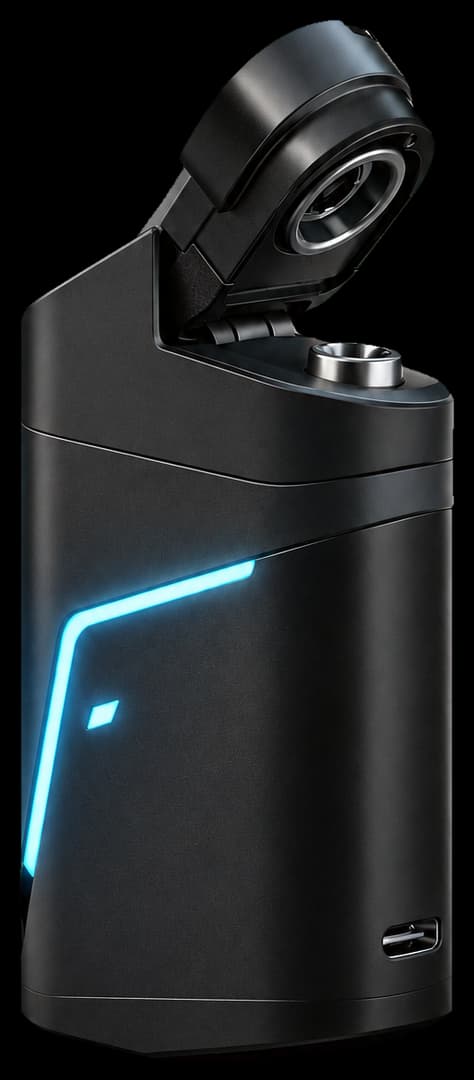
Portable dry-herb hardware direction
Compact dry-herb hardware direction
Concentrate attachment direction
Water-conditioned concentrate device direction
Portable dry-herb device direction
A clear brief separates the details that matter to your brand from the questions that still need a sample.
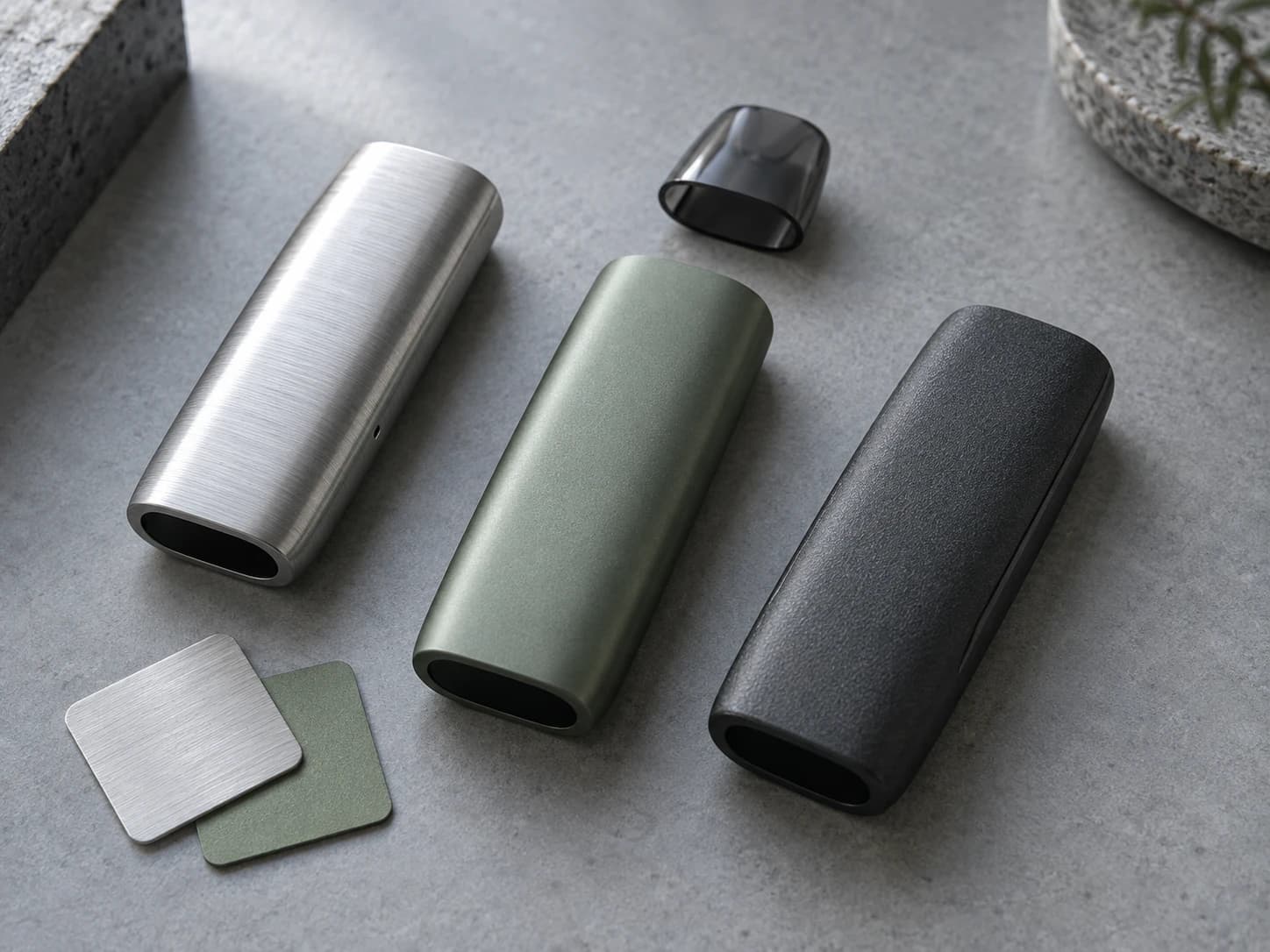
Start with the artwork, its position on the device and how it should sit alongside the surface finish.
BringArtwork files and placement references
Compare color, texture and sheen using visual references or physical swatches.
BringColor references and finish priorities
List what the pack needs to contain, then discuss presentation, artwork and information requirements.
BringPack format and included-item list
Describe the intended activation, feedback and charging experience as requirements for review.
BringFunctions to discuss and review priorities
Use the preferred format and project priorities to compare candidate hardware directions.
BringFormat preference and project constraints
Options are reviewed against the selected platform before scope is agreed.
A brief, a sample record, a decision. Keep the next discussion grounded in something your team can review.
Set the device format, intended market and the decisions your sample review needs to answer.
Keep observations tied to a specific sample and the conditions of its review.
Review artwork, configuration requests and questions raised by the sample before revising the scope.
Discuss quantities, documentation and requested timing against the agreed project scope.
Public content separates approved information from claims that still require verification.
A source record must support each public relationship or technical statement.
Only eligible verified values enter the public presentation layer.
Source-claimed data stays internal by default; pending and missing values are withheld.
Share the product category, intended market, preferred starting point and the decisions your team needs to make next.